For most Greater Montréal offices, high dusting once or twice a year is enough. Warehouses and distribution centres usually need it two to four times a year, manufacturing plants every quarter or more often depending on the process, and food facilities on whatever cycle their sanitation program and audits require, often monthly for areas above exposed product. If you can only schedule one pass, book it in the fall, right as the heating season starts moving air through the building.
What counts as high dusting
High dusting is everything above normal reach, roughly anything higher than a person can clean standing on the floor with a regular duster. In a typical commercial building that list includes:
- Ceiling diffusers, return grilles and the ceiling tiles around them
- Exposed ductwork, sprinkler pipes, conduit and cable trays
- Light fixtures, pendant lights and emergency lighting
- Tops of racking, shelving, partitions, cabinets and door frames
- Roof trusses, beams and joists in open-ceiling spaces
- Signage, banners and anything hung from the ceiling
- Overhead doors, their tracks and the beams above loading docks
Night janitorial crews rarely touch any of this. Their scope is floors, desks, washrooms and touchpoints, and they usually work without lifts or tall ladders. That is why overhead dust can build for years in buildings that look clean at eye level.
Recommended frequency by building type
These are typical starting points. Your own building may need more or less depending on what you see and what your occupants report.
Offices and professional buildings
Once or twice a year. Diffusers and return grilles are the priority because they show dark streaks on the ceiling when dirty and spread dust back into the room. Offices with open ceilings and exposed ductwork (common in converted buildings in the Plateau, Mile End, Griffintown and Saint-Henri) need the full overhead clean more often than a drop-ceiling office, since every flat surface up there is a dust shelf.
Warehouses and distribution centres
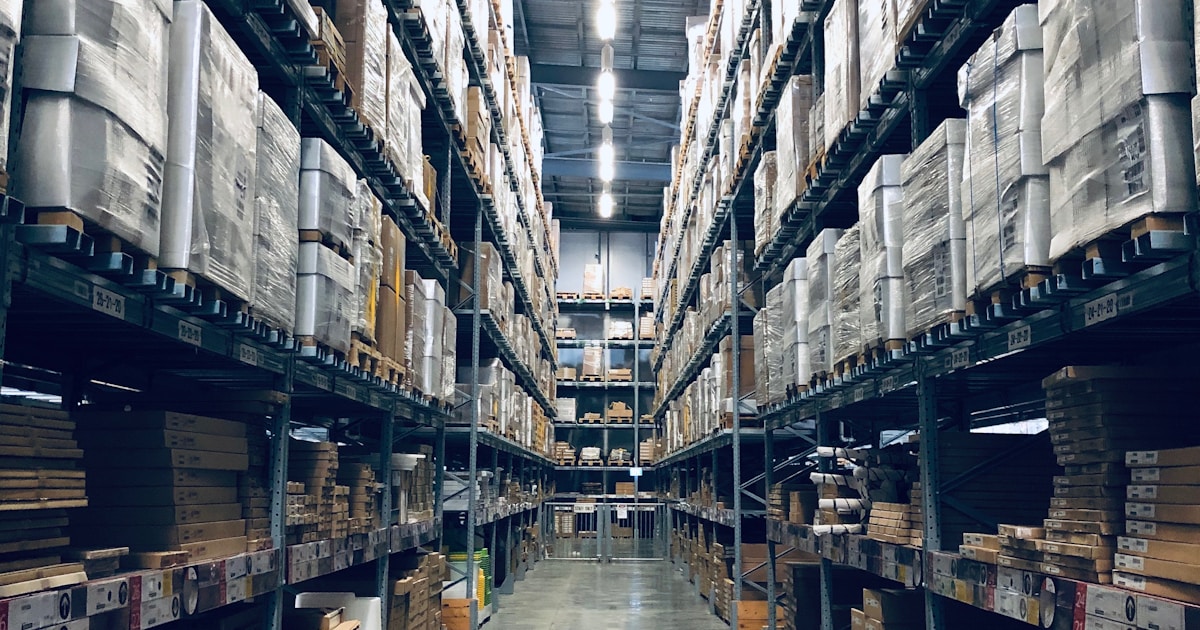
Two to four times a year. Forklift traffic, cardboard and pallet handling put a lot of fine dust in the air, and it settles on racking tops, beams and lights. Overhead doors open all day in winter, so outdoor grit comes in too. Facilities in Saint-Laurent, Dorval, Laval and Boucherville with high racking often split the work into zones and rotate through them so every area gets cleaned at least twice a year without shutting down aisles for long.
Manufacturing plants
Quarterly is a common baseline, and some processes need monthly attention. Woodworking, metal grinding, plastics, printing and any operation that produces fine powder all deserve a closer look. Where the dust is combustible, overhead accumulation is a fire and explosion concern, not just a cleanliness issue, and the cleaning frequency should follow your plant's dust hazard assessment and your insurer's requirements. NFPA 652 and NFPA 654 are the standards most often used for combustible dust management, and they treat housekeeping of elevated surfaces as part of the control program.
Food processing and food storage
Food businesses licensed under the Safe Food for Canadians Regulations need a written sanitation program, and overhead structures above exposed food or packaging are part of it. Many plants clean these areas monthly or on a rotating schedule set by their food safety plan and third-party audits (SQF, BRCGS and similar). The overhead crew should follow the plant's own procedures for which chemicals, tools and covers are allowed near production lines.
Retail stores and showrooms
Twice a year, with one pass timed before the busy season. Light fixtures, signage and the tops of high displays collect dust that customers notice more than staff do. For stores, that usually means early November, ahead of the holiday rush, and again in spring.
Clinics and healthcare offices
Twice a year at a minimum, and more often in procedure or treatment rooms where the clinic's infection prevention policy calls for it. Diffusers and light fixtures above treatment areas are the usual focus.
Signs your building needs it sooner
Skip the calendar and book a high dusting visit if you notice:
- Grey or black streaks around ceiling diffusers
- Dust falling or visible in light beams when the heat or ventilation kicks on
- Dust bunnies on top of racking, beams or overhead doors
- Occupants reporting more sneezing, dry eyes or a musty smell in a specific area
- New ceiling stains near vents
- An upcoming inspection, audit, move-in or open house
Why late fall matters in Montréal
The first weeks of heating season are when a building's air system starts pushing warm air through ducts and diffusers that have collected dust since spring. Cleaning overhead surfaces just before or right after the heat comes on means less of that dust ends up on desks, product and floors over the winter. It also lines up well with other pre-winter work like floor stripping and waxing, since there is no point refinishing floors and then having overhead dust fall on fresh finish.
A second pass in spring, once the windows and overhead doors are open more often, catches what built up over the winter months.
How the work is usually done
High dusting is typically scheduled outside operating hours or during a planned shutdown. The crew uses some combination of extension poles with microfibre heads, HEPA-filtered vacuums with long wands, and mobile elevating work platforms (scissor lifts or boom lifts) for open-ceiling spaces. Before the job, the area below is cleared or covered, especially over desks, product or production equipment.
A few things to confirm before any work starts:
- Lift operators are trained. In Québec, work at height and the use of elevating platforms fall under the occupational health and safety rules enforced by the CNESST, and the CSA B354 standards cover how these platforms are used. Ask how operators are trained and who supplies the lift.
- Fire systems are protected. Sprinkler heads and smoke detectors should be cleaned carefully or left to the fire protection contractor. Bumping a sprinkler head can trigger it.
- Dust is captured, not spread. Dry feather dusters move dust around. HEPA vacuums and damp microfibre remove it.
- Floors are cleaned last. Whatever falls during the job should be vacuumed or scrubbed off the floor before the building reopens.
Cost factors
Pricing for high dusting is usually quoted per visit, and it changes mainly with ceiling height, how much is up there (exposed ducts and racking take far longer than a drop ceiling), whether a lift is required and who rents it, how much of the floor below has to be covered or cleared, and whether the work has to happen overnight or on a weekend. Adding it to an existing janitorial contract on a fixed schedule is usually cheaper than booking it as a one-off.
Frequently asked questions
Is high dusting included in regular office cleaning?
Usually not. Standard janitorial scopes cover what can be reached from the floor. High dusting is a periodic task that is either added to the contract on a set schedule or booked separately, so check your current scope before assuming it is being done.
Can high dusting be done while the building is open?
Small areas with a pole and HEPA vacuum can sometimes be done during quiet hours, but anything that needs a lift or covers work areas is best done after hours or on a weekend. Dust falling during the job is the main reason to keep people and product out of the area.
How long does a high dusting job take?
It depends on the area, ceiling height and how much equipment and racking sits overhead. A small office suite can take a few hours, while a large warehouse is often split over several nights or zones so operations are not disrupted.
Does high dusting improve indoor air quality?
It removes a source of dust that the ventilation system would otherwise keep moving through the space, especially around diffusers and return grilles. It works best alongside regular filter changes by your HVAC contractor, since cleaning grilles does not replace changing filters.
Book high dusting in Greater Montréal
Simple Service handles high dusting as part of its specialized cleaning services and adds it to recurring contracts for offices, warehouses and plants across Montréal, Laval and the South Shore. For industrial sites, see our industrial cleaning page, or read more about commercial cleaning in Montréal. Tell us about your building on the contact page and we will send a quote.