Hiring commercial cleaning in Atlanta means planning for a metro that has several office centers instead of one downtown, a spring pollen season that coats every entrance in yellow, and humid summers that push mildew into restrooms and stairwells. The best contracts here are written around the building type and the district, with a seasonal add-on for March and April and a clear list of what happens nightly versus weekly. This guide walks through how the market is laid out, what drives the scope, and what to check before you sign.
How Metro Atlanta's facilities are spread out
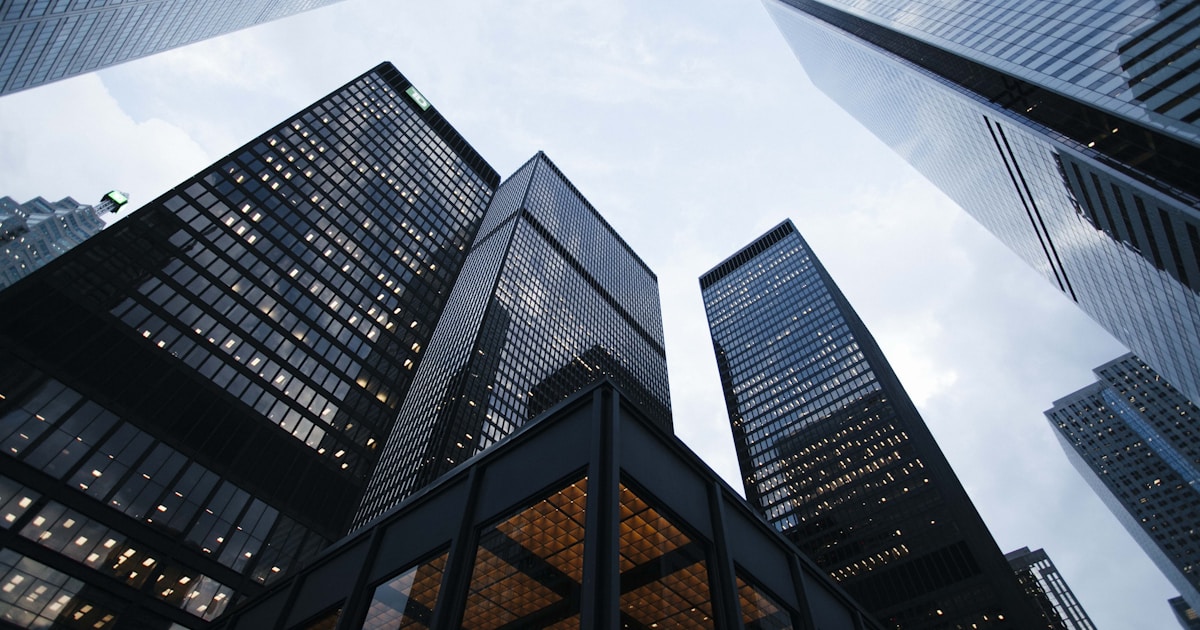
Atlanta does not have a single business core. Downtown and Midtown hold government offices, university buildings and corporate towers. Buckhead and Perimeter Center have large office concentrations along Georgia 400, and Alpharetta to the north has grown into a hub for technology firms and corporate campuses. South of the city, the area around Hartsfield-Jackson Atlanta International Airport and the I-85 and I-75 corridors is full of warehouses and distribution centers that serve the Southeast.
That spread matters for cleaning. A contractor that runs crews in Midtown may not cover a campus in Alpharetta or a cross-dock near the airport at the same rate, because travel time between those areas at night is real. When you request quotes, give the exact address and ask how the crew will be routed. A multi-site portfolio (say, a Buckhead headquarters plus two suburban branch offices) often gets better pricing when it is bid as one contract with one supervisor.
The local conditions your scope should cover
Pollen. Pine and oak pollen arrive in force each spring, usually peaking in March and April. It settles on sidewalks, entrance glass, window sills, outdoor furniture and parking lot signage, then gets tracked into lobbies and pulled into HVAC returns. A normal nightly clean will not keep up. Build a pollen add-on into the contract: more frequent entrance glass and door cleaning, daily mat changes or vacuuming, extra dusting of lobby surfaces and vents, and an exterior glass wash once the worst weeks are over.
Humidity and mildew. Long, humid summers mean restrooms, locker rooms, janitor closets and stairwells need attention to grout lines, ceiling vents and corners where moisture sits. Ask the bidder how often they detail restroom grout and vents, not only how often they restock paper.
Rain and the occasional ice event. Atlanta winters are mostly wet rather than snowy, but heavy rain is common and the metro sees a rare ice storm. Wet weather means more mopping at entrances and more wear on hard floors. Make sure the contract covers wet-floor signage, entrance mat service and what happens to the schedule on a day the roads are closed.
What different building types usually need
Class A offices in Midtown and Buckhead. Nightly trash, restroom cleaning and restocking, kitchen and break room cleaning, vacuuming of open areas and spot cleaning of glass. Many towers add a day porter for lobbies, elevators and restrooms during business hours. Hard floors in lobbies typically get a scheduled burnish or refinishing program.
Suburban campuses in Alpharetta and Perimeter. Larger footprints with more conference rooms and amenity spaces. Carpet extraction on a quarterly or semi-annual cycle is common, along with periodic high dusting in atriums and cafeterias.
Warehouses and distribution centers near the airport. The focus shifts to office and driver areas, restrooms and break rooms, plus floor scrubbing of the warehouse slab with ride-on equipment, dock area sweeping and high dusting of racking and structure. Ask whether the contractor brings its own scrubber or expects to use yours.
Medical offices and clinics. These need a disinfection protocol that matches your infection control policy, with exam room turnover, clear rules for sharps and biohazard waste (which a janitorial crew should not handle unless trained and contracted for it), and documented products.
Typical price ranges in Atlanta
These are typical ranges only, not quotes. Pricing depends on square footage, frequency, floor types, restroom count, security and access rules, and how much day porter or specialty work is included.
- Routine office cleaning, five nights a week: often in the range of $0.08 to $0.20 per square foot per month for larger offices, with small suites priced as a flat monthly fee instead.
- Day porter service: usually billed hourly, commonly $25 to $45 per hour depending on hours and duties.
- Carpet extraction and floor refinishing: priced per square foot per visit, and highly dependent on the floor's condition.
- Pollen season add-on: usually a fixed monthly addition for March and April, sized to the number of entrances and the amount of exterior glass.
To get a rough figure for your own building before you request quotes, try our pricing calculator. The best way to compare bids is to send every contractor the same written scope and frequency list, so you are comparing the same work.
Rules and paperwork to check
Georgia does not require a state license specific to janitorial contractors, so the paperwork you ask for carries the weight. Ask for a current certificate of general liability insurance naming your company or property as additional insured, proof of workers' compensation coverage, and the contractor's local business license or occupation tax certificate. Georgia workplaces fall under federal OSHA, so ask for the crew's hazard communication training records and safety data sheets for every chemical used in your building.
Larger buildings in the city also deal with Atlanta's Commercial Buildings Energy Efficiency Ordinance, which requires energy benchmarking for commercial buildings of 25,000 square feet and up. Cleaning schedules play a small part here: night crews keep lights and HVAC running after hours, so some owners move part of the work to day cleaning or ask crews to clean floor by floor and switch lights off as they go.
Contract terms worth negotiating
- Scope by area and frequency. A table listing each area (lobby, offices, restrooms, kitchens, warehouse, docks) and what happens nightly, weekly, monthly and quarterly.
- Inspection and quality reports. Ask how often a supervisor inspects and how you will see the results.
- Seasonal add-ons. Pollen season, holiday events and any summer exterior work, priced up front.
- Termination clause. A 30-day termination for convenience protects you if quality slips.
- Supplies. Spell out who provides paper, soap, liners and chemicals, and how restocking is billed.
Frequently asked questions
How much does office cleaning cost in Atlanta?
For larger offices with five-night service, typical pricing often falls between $0.08 and $0.20 per square foot per month. Smaller suites are usually priced as a flat monthly fee. Day porter hours, floor care and seasonal add-ons such as pollen season cleaning are priced on top.
Do commercial cleaners in Georgia need a license?
Georgia has no state license specific to janitorial work. Contractors still need a local business license where they operate, and you should ask for proof of general liability insurance and workers' compensation coverage before they start.
When should Atlanta buildings plan extra entrance and glass cleaning?
Plan for March and April, when pine and oak pollen are heaviest. Increase entrance glass, door and mat service during those weeks, then schedule an exterior glass wash once the pollen drops off.
Is day cleaning a good option for Atlanta offices?
It can be. Day cleaning reduces after-hours lighting and HVAC use, which helps buildings that report energy use under the city's benchmarking ordinance, and it gives tenants a visible point of contact. Tasks like vacuuming open areas are often still done in the evening.
Get matched with a cleaning team in Atlanta
Tell us about your facility and we'll connect you with a commercial cleaning team that serves Atlanta. You can review the local details on our Atlanta commercial cleaning page, see what a full office cleaning scope includes, or go straight to the quote form.